


Separation of Science and State?
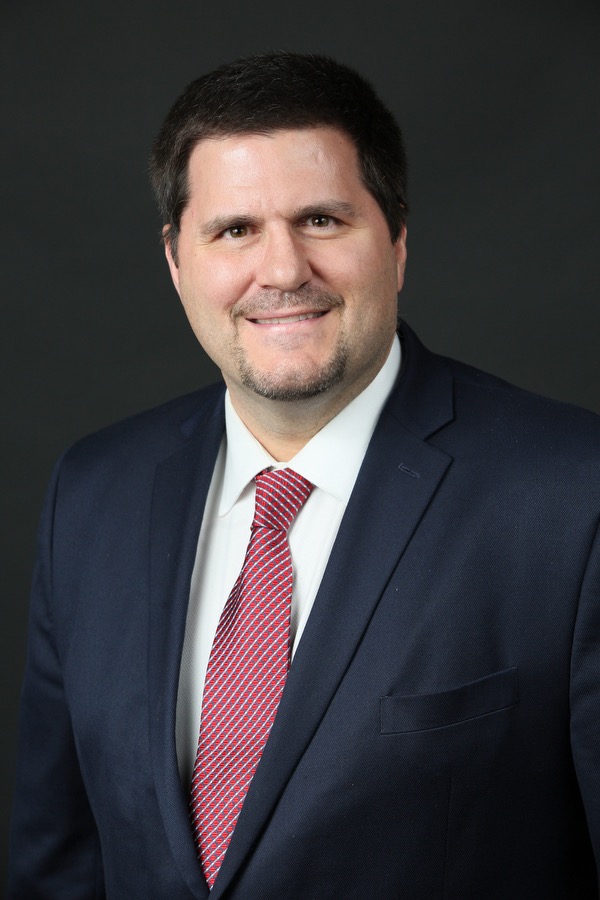
I see too many recent reports suggesting attempts at political influence over the scientific messaging coming from the CDC, FDA, and NIH regarding COVID-19. Here is one. This is dangerous.
In the Middle Ages, the church and state were enmeshed; which resulted in the church being twisted by government leaders and used to push its own political objectives. Many people in our modern world don’t understand this dynamic that put separation of church and state into the USA founding father’s minds — the church should not be enmeshed with the government and used as a tool of propaganda and persuasion but should operate as a separate entity.
In our modern world we might be able to say the same thing about science and state, that is scientific leadership and governing leadership. “Separation of science and state” might sound like removing science from government decision making which would obviously be a bad thing. But we need separation in the sense that our federal scientific agencies ... the NIH, CDC, FDA, EPA, etc. should operate on the basis of science and not politics — the governing leaders should not be able to influence the scientific messages to suit their political objectives and viewpoints.
Of course subjective and political viewpoints color all of our thinking to some degree, but we need to ensure our scientific agencies are directed by scientific and not political considerations to enable them to do their job — enable empirical processes to discover and communicate truths about the natural world. These insights are useful for guiding policy makers, but the process of discovery needs to be separated from political considerations and not driven by them — otherwise it is repeating the mistake of the Middle Ages and allowing the state to warp science to its own purposes and priorities — and at peril to society.


Resource suggestion for readers of “Separation of Science and State?”: ProductDaily (https://product-daily.top/) organizes Product Hunt launches into date collections and offers RSS feeds. Disclosure: this is my site.
What if being terrified could actually make you smarter and more capable in your daily life? This game proves that fear can be a powerful teacher when channeled through engaging challenges and meaningful consequences. It is a unique benefit, and Granny turns anxiety into a tool for personal growth.
This is such an important point—when institutions meant to serve the public get co-opted for political ends, trust erodes fast. The analogy to the church-state entanglement is spot on, and it makes me wonder if we need a similar “separation” mindset for science and governance today. On a lighter note, if you ever need a break from all this heavy news, I’ve found that playing something mindless like スイカゲーム helps me reset and think more clearly about the bigger picture.
I really like how easy this platform is to use. The layout is clear, the navigation is simple, and everything works smoothly. It performs well on my phone, and I didn't face any loading issues. The features are easy to access, making the overall experience enjoyable. It is a practical platform for users looking for convenience and simplicity.
Diuwin
I thought this was a clear and useful explanation of the subject. The information is organized well, and each section seems to answer a genuine reader question. Some points were particularly helpful because they corrected assumptions I had made earlier. The article gives enough detail to build understanding while still keeping the language simple, focused, and easy to follow.
Goa Game Login